
Experience Colombia beyond the classroom. Discover two immersive international summer courses from Pontificia Universidad Javeriana that combine academic excellence with field-based learning, offering participants the opportunity to explore Colombia’s extraordinary biodiversity, rural innovation, peacebuilding, and social transformation through direct engagement with communities and leading experts.
Pontificia Universidad Javeriana Launches Two International Summer Courses in Colombia
Pontificia Universidad Javeriana (Bogotá, Colombia), one of Latin America’s leading universities and an EUPeace Associated Partner, is opening its doors to international students through two immersive summer courses that combine academic excellence with experiential learning. Designed for universities seeking meaningful global learning opportunities, these programmes invite participants to discover Colombia not simply as a destination, but as a living classroom where biodiversity, culture, resilience and social innovation converge.
Grounded in the University’s Jesuit tradition of academic rigor, intercultural dialogue and commitment to the common good, both courses connect classroom learning with direct engagement in real-world contexts. Participants will learn alongside researchers, local communities, social leaders and practitioners, gaining first-hand perspectives on some of the country’s most relevant contemporary challenges and opportunities.


Exploring Sustainable Rural Development through Flowers and Coffee
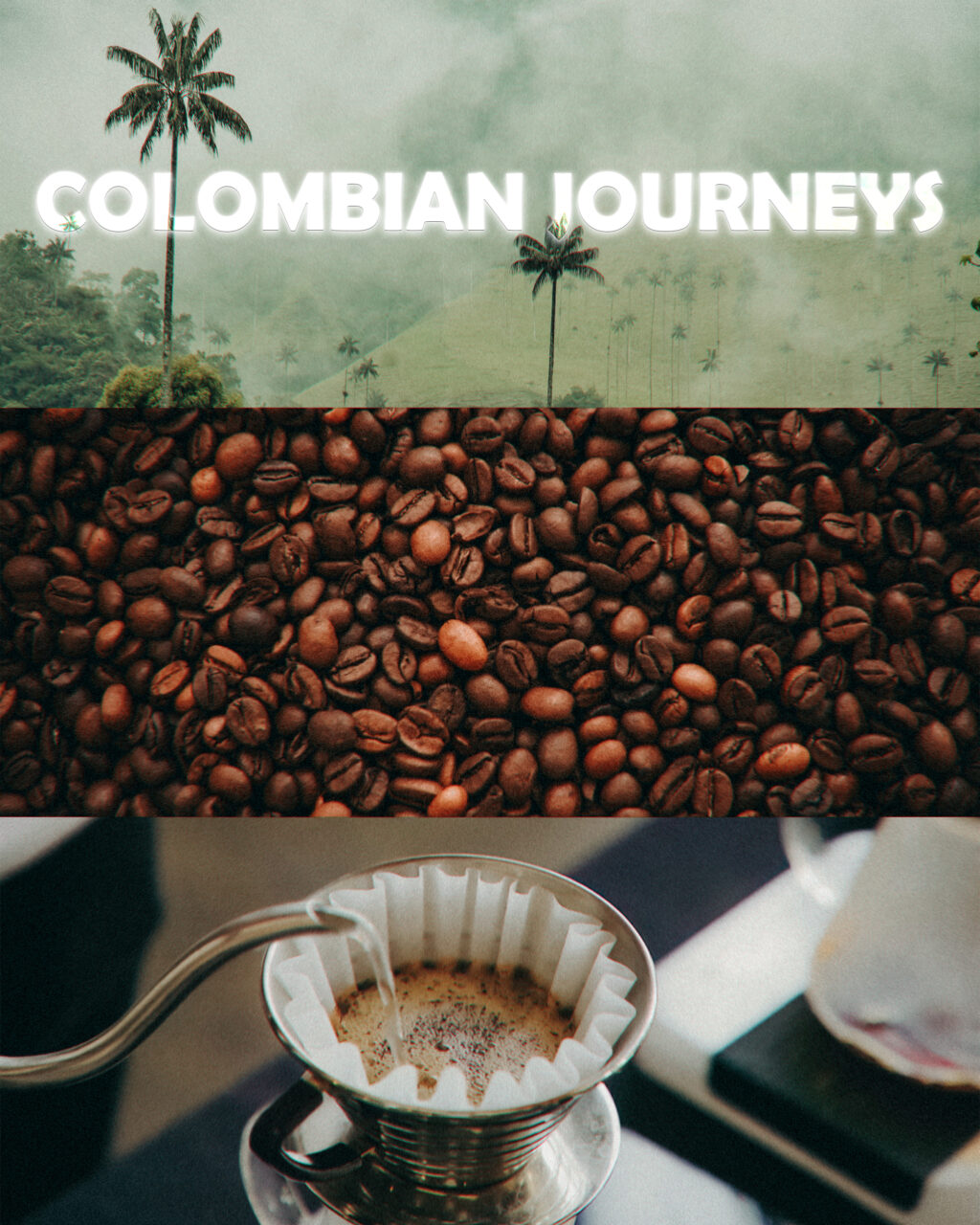
The five-day course, Flowers and Coffee: A Sustainable Approach to Rural Development in Colombia’s Megadiverse Landscapes, is designed to strengthen participants’ knowledge and leadership in sustainability, biodiversity and rural development through experiential learning.
The programme introduces participants to Colombia’s exceptional biological and cultural diversity, exploring sustainable production systems, the bioeconomy and nature-based development strategies before focusing on two of the country’s most internationally recognised agricultural sectors: coffee and floriculture.
Through field visits, dialogue with producers and researchers, and interdisciplinary academic sessions, participants will gain a deeper understanding of how environmental conservation, rural livelihoods and innovation can work together to promote sustainable development. The course concludes with a roundtable discussion that encourages participants to critically reflect on the lessons learned and their relevance to global sustainability challenges.
Understanding Peace, Memory and Reconciliation
The six-day course, Colombia from Within: A Journey through Memory, Peace, and Transformation, offers an immersive academic and human experience for participants seeking to understand peacebuilding through the voices of those who have lived it.
Designed for undergraduate and graduate students, researchers and professionals interested in peacebuilding, transitional justice and Latin American studies, the programme combines lectures, expert-led discussions, field visits and intercultural reflection.
Participants will explore the history of Colombia’s armed conflict, the country’s peacebuilding processes and the construction of historical memory while engaging directly with communities, peace agreement signatories, victims’ organisations, youth leaders and institutions that have played a central role in the implementation of transitional justice.
Beyond understanding Colombia’s recent history, the programme invites participants to reflect on broader global questions surrounding reconciliation, restorative justice, democratic resilience and community-led transformation. Visits to territories, memory sites and institutions are complemented by artistic and cultural experiences that illustrate how memory and peace continue to shape contemporary Colombian society.
The programme adopts an interdisciplinary approach integrating history, political science, sociology, law, art and environmental perspectives, creating opportunities for critical analysis, intercultural dialogue and personal reflection.
Learning from Colombia
Recognised as one of the world’s most biodiverse countries and internationally acknowledged for its ongoing peacebuilding efforts, Colombia offers a unique environment for experiential education.
Rather than observing these realities from a distance, participants engage directly with the people, territories and institutions shaping the country’s future. This immersive approach enables students to connect global challenges with local responses while developing intercultural competencies, critical thinking and a deeper understanding of sustainable and inclusive development.
Flexible Course Delivery
Both programmes are offered through a flexible delivery model. As tailor-made courses, their schedule can be adapted to the academic calendars, interests and specific requirements of partner universities.
The following delivery periods are currently available:
- 23 November – 30 November (Monday to Monday)
- 27 November – 4 December (Friday to Friday)
- 30 November – 7 December (Monday to Monday)
This flexibility allows universities to integrate the programmes into their internationalisation strategies while preserving the full academic content and experiential learning components.
Universities interested in offering these programmes to their students or exploring customised academic experiences in Colombia are invited to contact Pontificia Universidad Javeriana.
Further information