








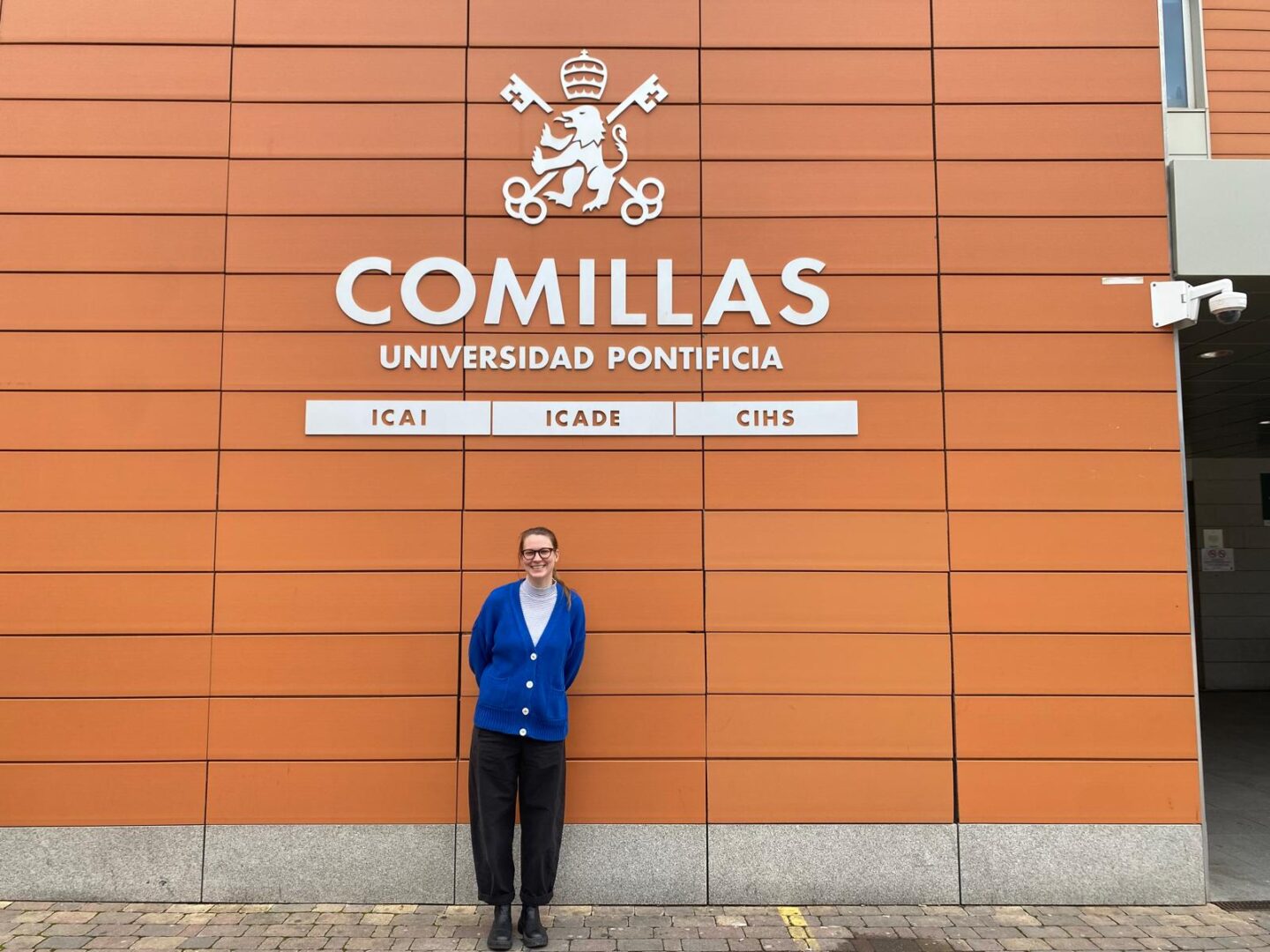
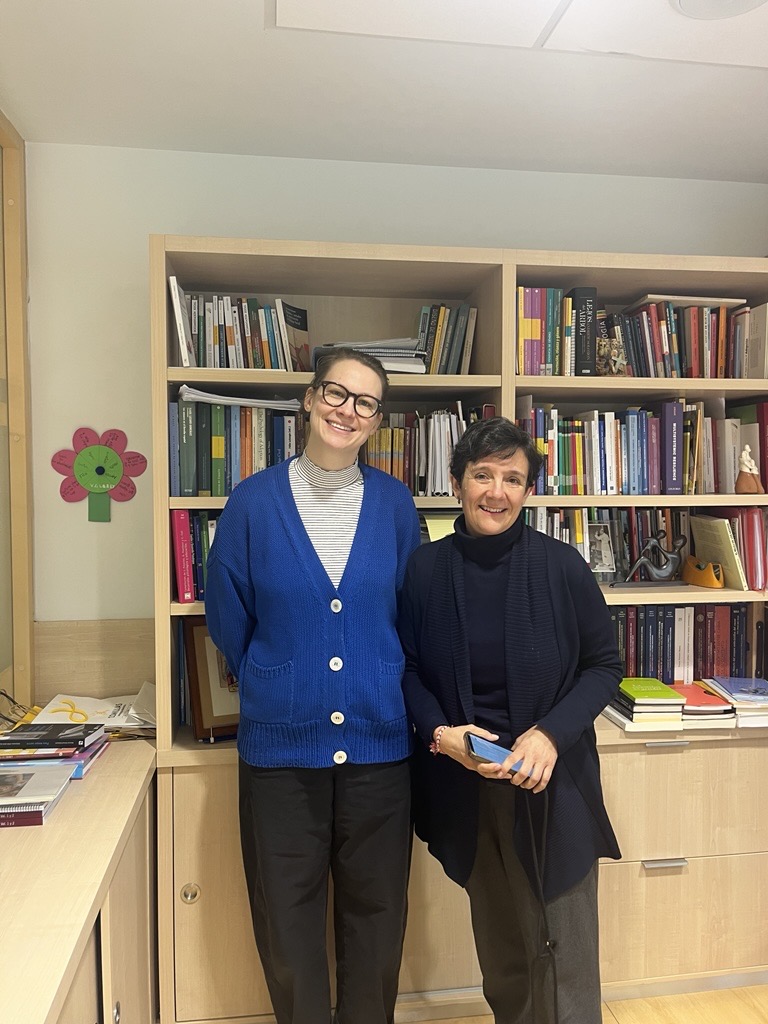
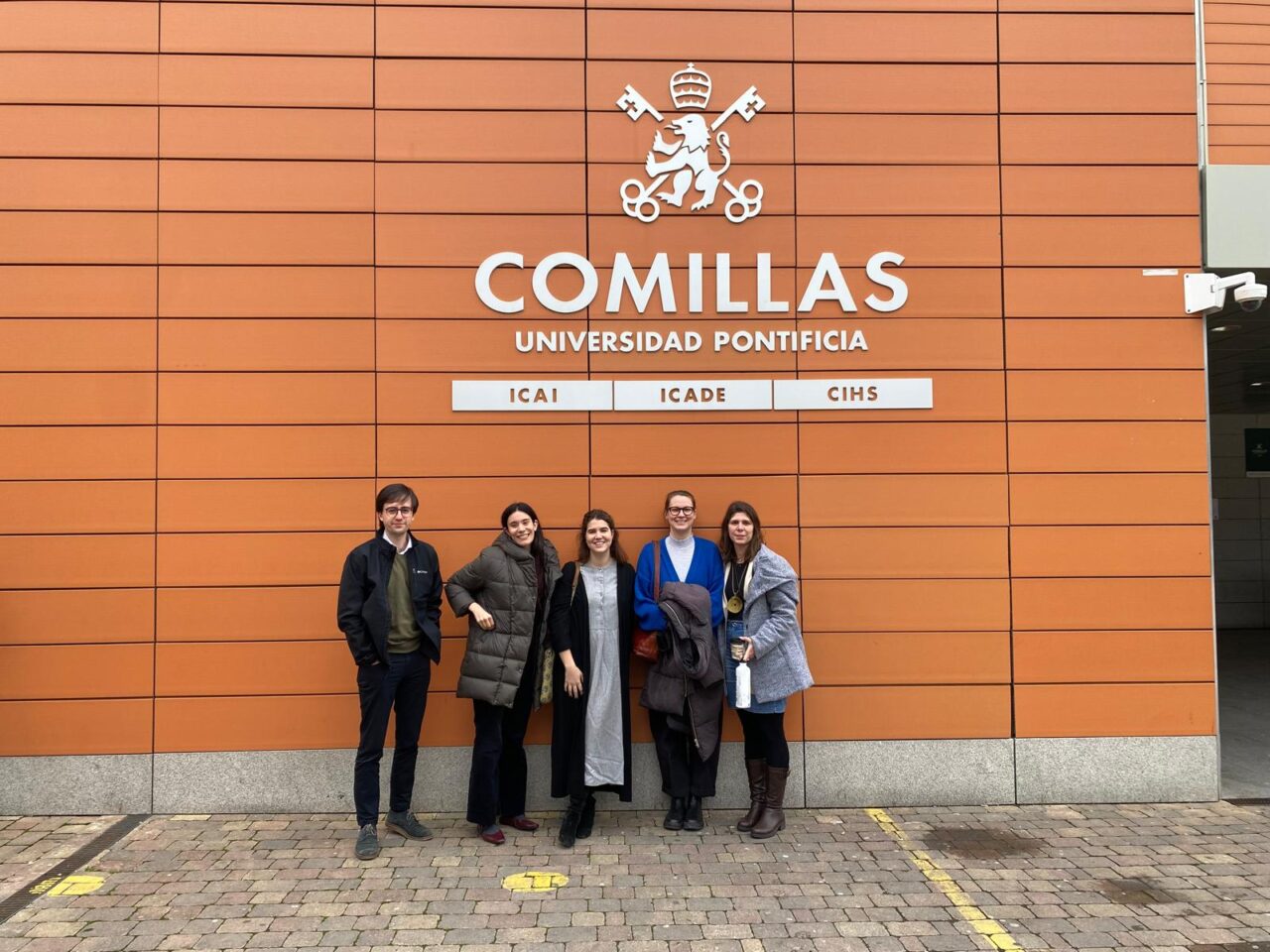
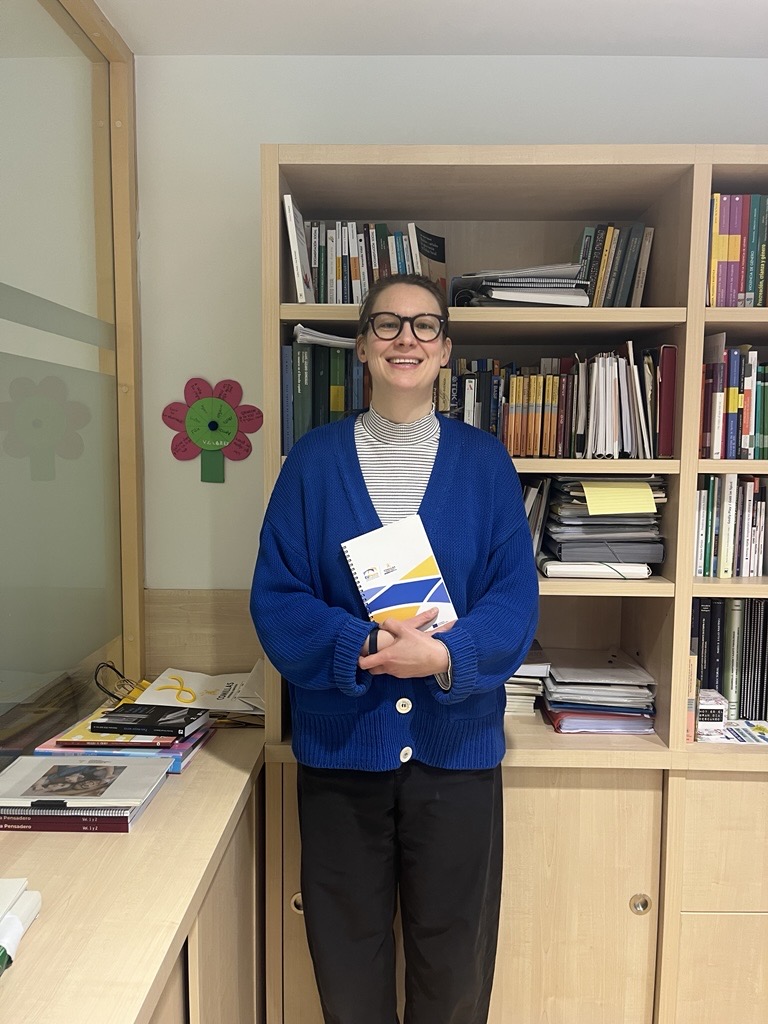
On 9 March, Professor Ulrike Gisch of Justus Liebig University Giessen visited Comillas Pontifical University to deliver a seminar on nutritional psychology, exploring the connections between eating habits, family life and cultural context. The visit was hosted by Ana Berástegui Pedro-Viejo from the Instituto de la Familia at Comillas.
Understanding Nutritional Psychology
Held at the Cantoblanco campus, the seminar provided students with an overview of key concepts in nutritional psychology, including the role of family environments, cultural influences on diet, and current approaches to eating disorders and obesity.
Following the session, Gisch shared further reflections in a conversation about her experience at Comillas and the insights gained during her visit.
“I wanted to build a bridge between families, family living and eating culture”.
She also stressed the importance of giving greater visibility to nutritional psychology, a field she considers still under-researched.
 © EUPeace Comillas Team
 © EUPeace Comillas Team
Food, Culture and Academic Exchange
One of the most enriching aspects of her visit, she noted, was the opportunity to engage directly with students and learn about Spanish eating habits. It was her first time in mainland Spain, and she admitted arriving with certain assumptions.
“I thought people might wake up later and that’s why they eat later. But I realised that people have very busy schedules and are often not at home early in the evening, which explains the timing of meals.”
Gisch emphasised that eating is a deeply social activity embedded in everyday routines. Discussions during and after the seminar highlighted how food practices differ across cultures and are shaped by broader social structures. She also pointed to smaller cultural discoveries—such as the fact that paella is not typically eaten for dinner—which helped challenge common stereotypes.
The strong engagement of students stood out as one of the most positive aspects of the experience. Gisch praised their interest and the thoughtful questions raised, describing the exchange as both dynamic and enriching.
Beyond teaching, the visit also opened the door to future collaboration. Gisch expressed interest in developing joint research projects with Comillas and other EUPeace Alliance researchers at different academic levels. She highlighted the value of interdisciplinary spaces such as the EUPeace Inclusive Health Well-Being Research Hub, where fields like climate, health and migration intersect, creating opportunities for collaboration through accessible and flexible research initiatives.
Looking Ahead: Sustainability and Health
Looking ahead, she identified sustainable eating as one of the most promising areas in nutritional psychology, linking it to broader challenges such as planetary health. At the same time, she stressed the continued importance of family structures in shaping eating habits, even as lifestyles evolve.
She also noted differences between Spain and Germany in dietary patterns, particularly regarding meat consumption, underlining the cultural dimension of food choices.
“Eating will always be something that brings people together”.
Gisch concluded with a message to students interested in psychology, health or nutrition: pursuing personal interests is key to both academic success and personal fulfilment.
“If you follow what you are truly interested in, it becomes a source of motivation in your work and your life”.
 © EUPeace Comillas Team