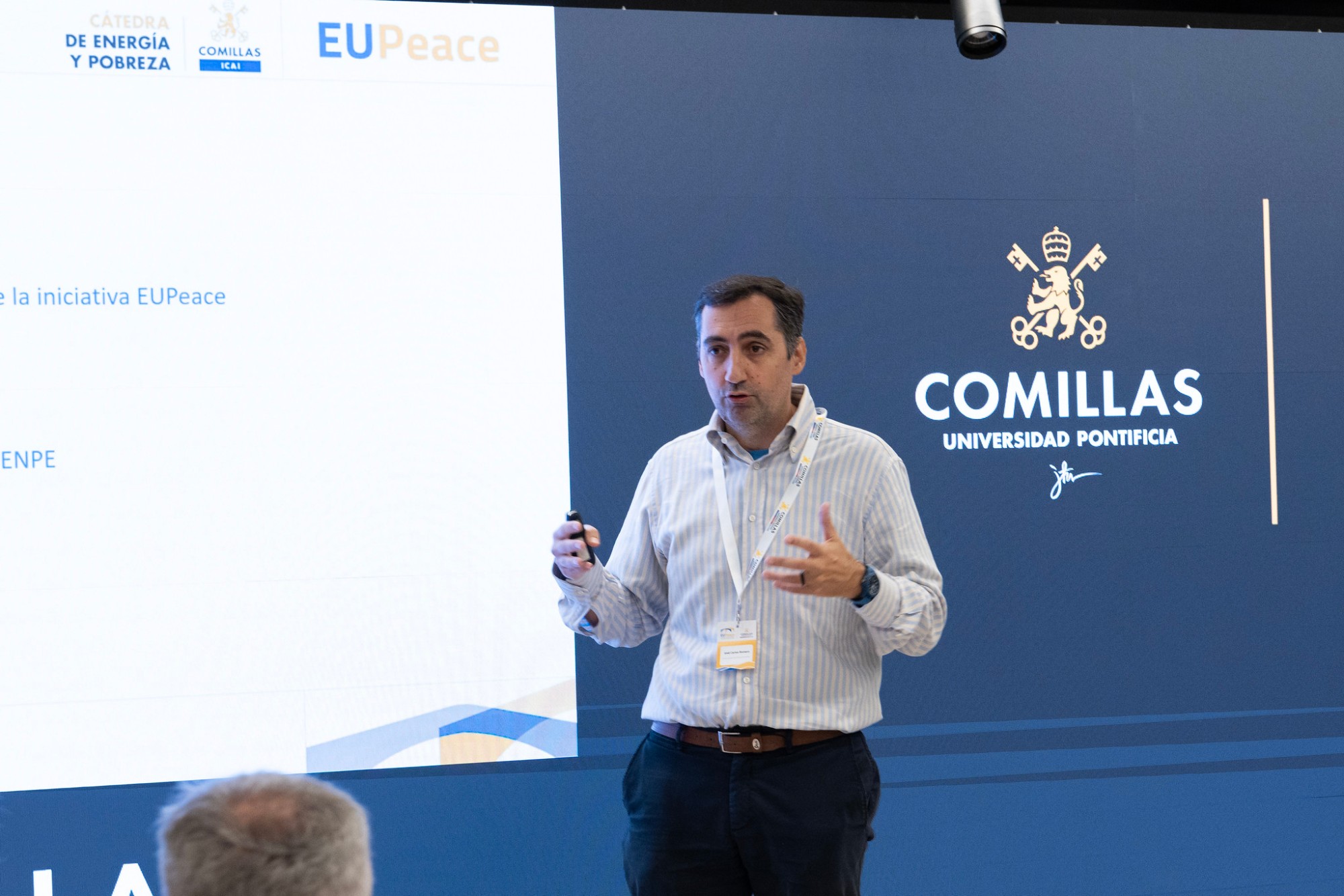
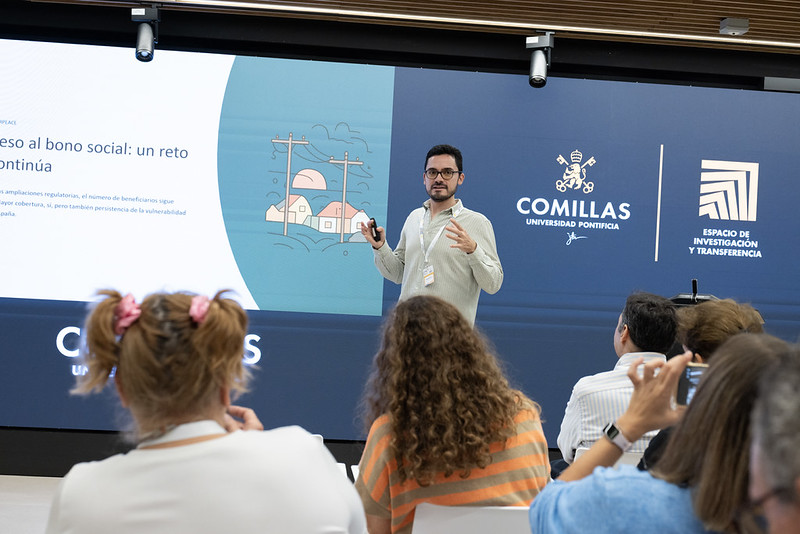
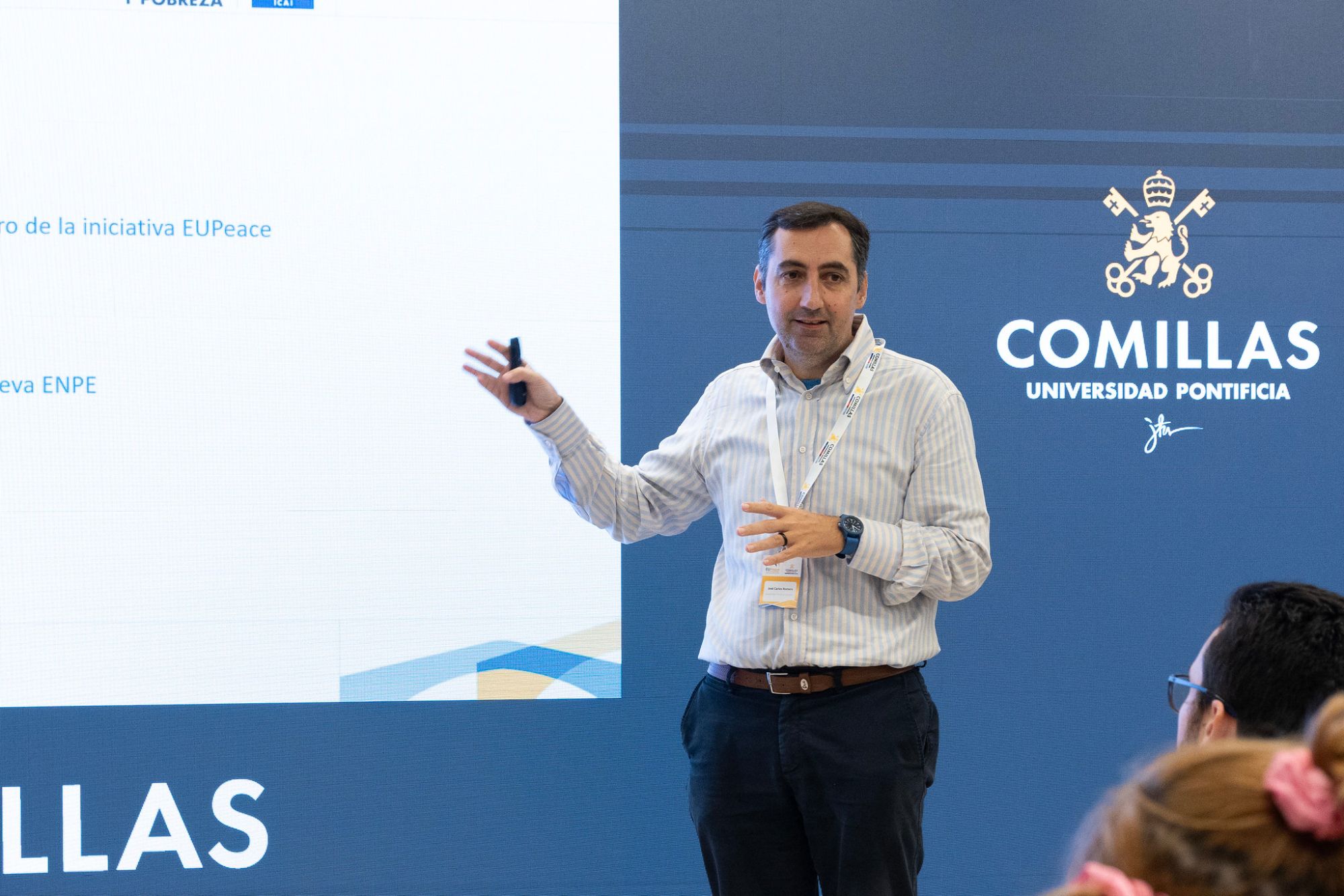
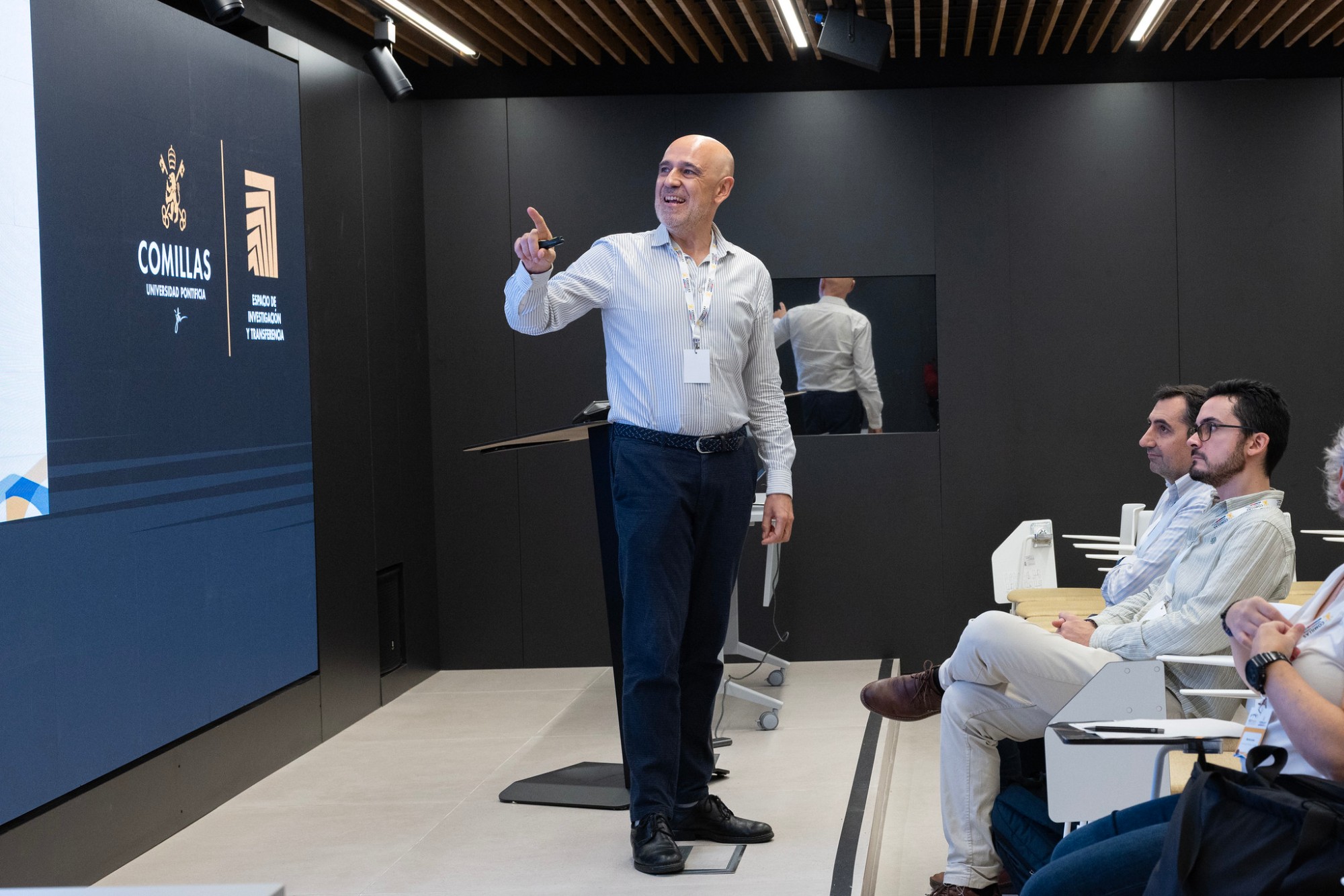
On 6 October 2026, Universidad Pontificia Comillas in Madrid hosted the second 2026 meeting of the EnerPeace Living Lab, entitled “Access to the bono social: an ongoing challenge”. Participants from public administration, social organisations, energy companies, and academia examined why many households still struggle to obtain the Bono Social, Spain’s discount on energy bills for vulnerable consumers, and explored ways to strengthen protection for households at risk of energy poverty.
A shared space against energy poverty
The meeting was organised by the Chair of Energy and Poverty at Comillas as part of EnerPeace, a Living Lab against energy poverty run within EUPeace that promotes collaboration and innovation for a sustainable future and a just energy transition. Building on earlier sessions, EnerPeace has become a regular meeting point where the people who design, deliver, and study energy support work on the same problems together.
From evidence to group work
The day opened with an overview of how the bono social has evolved in Spain, what the available evidence shows, and which challenges remain. A speaker from the Spanish Ministry for the Ecological Transition and the Demographic Challenge (MITECO) then outlined the current situation of the bono social and of the ACTÚA network under Spain’s Second National Strategy against Energy Poverty.
Participants then worked in small groups to pinpoint the main obstacles to accessing the bono social and to suggest how it could protect households more effectively. Discussions covered how easy the support is to reach, how vulnerability is defined, how paperwork could be simplified, how households can be accompanied through the process, and how the organisations involved can coordinate better.
Towards shared recommendations
The session ended with a plenary discussion and a collective prioritisation exercise, supported by artificial intelligence (AI) tools that helped to organise the contributions. The exercise revealed clear points of consensus and laid the groundwork for a set of shared recommendations. Through initiatives such as EnerPeace, Comillas and its Chair of Energy and Poverty bring research, public bodies, and civil society together to inform more inclusive and effective public policy and a just energy transition that leaves no one behind.
Contact