
On 17 September 2025, student representatives, universities, European University alliances and student organisations from across Europe and the Western Balkans gathered at the Parliamentary Assembly of Bosnia and Herzegovina in Sarajevo to sign the Students’ Peace Declaration. One year later, the Declaration continues to inspire a growing European commitment to peace, dialogue, cooperation and democratic and inclusive values.
The first anniversary offers an opportunity not only to commemorate the signing, but also to reflect on how this student-led initiative has developed since its launch and how its message continues to reach new institutions and academic communities.
A student-led initiative with a European reach
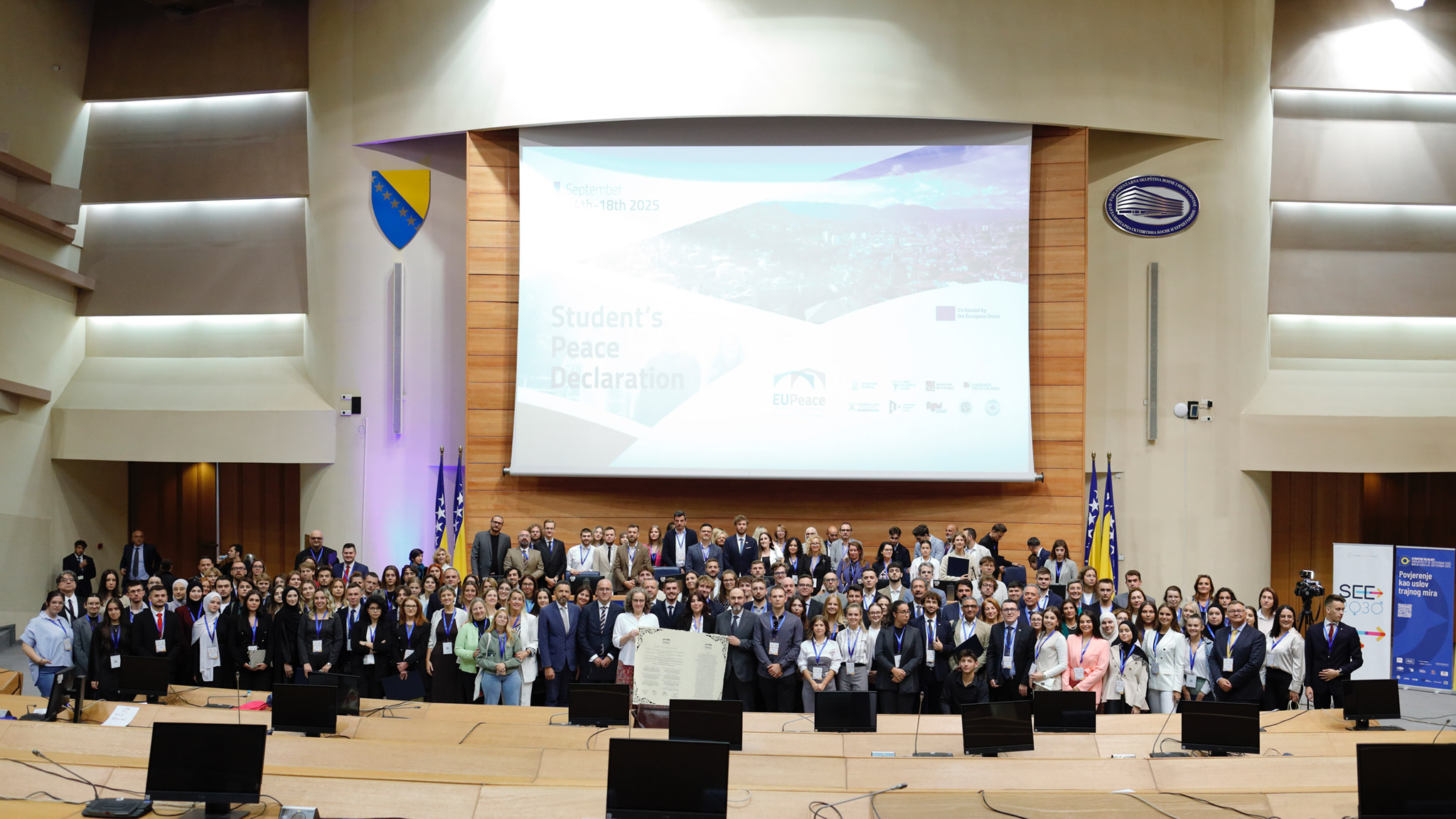
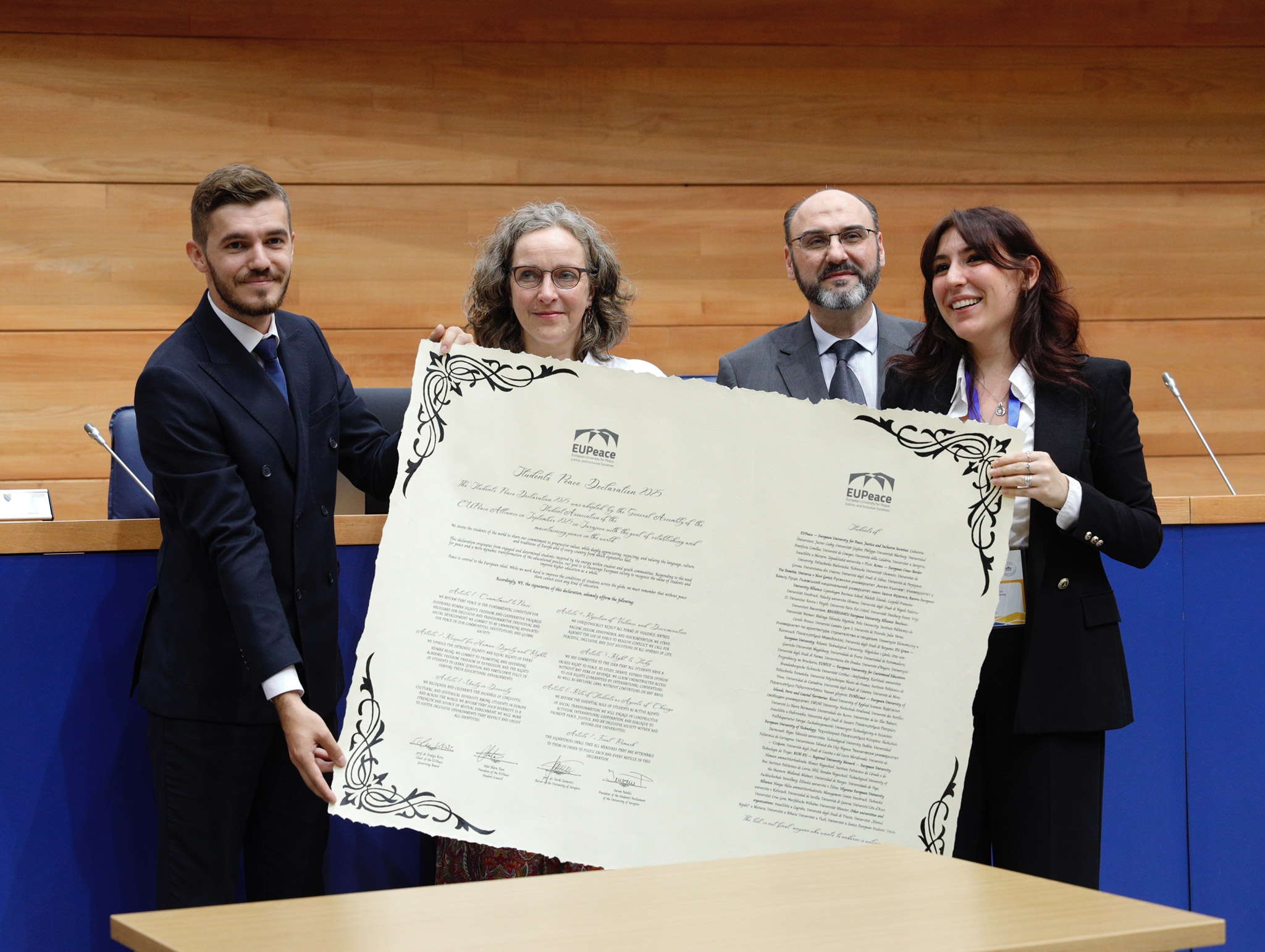
The signing ceremony in Sarajevo was the culmination of an extensive initiative led by students of the University of Sarajevo and supported through the EUPeace Alliance. It brought together representatives of 103 institutions, including universities, ten European University alliances and several student organisations, around a shared commitment to peace, social justice, democratic values, intercultural dialogue and academic cooperation.
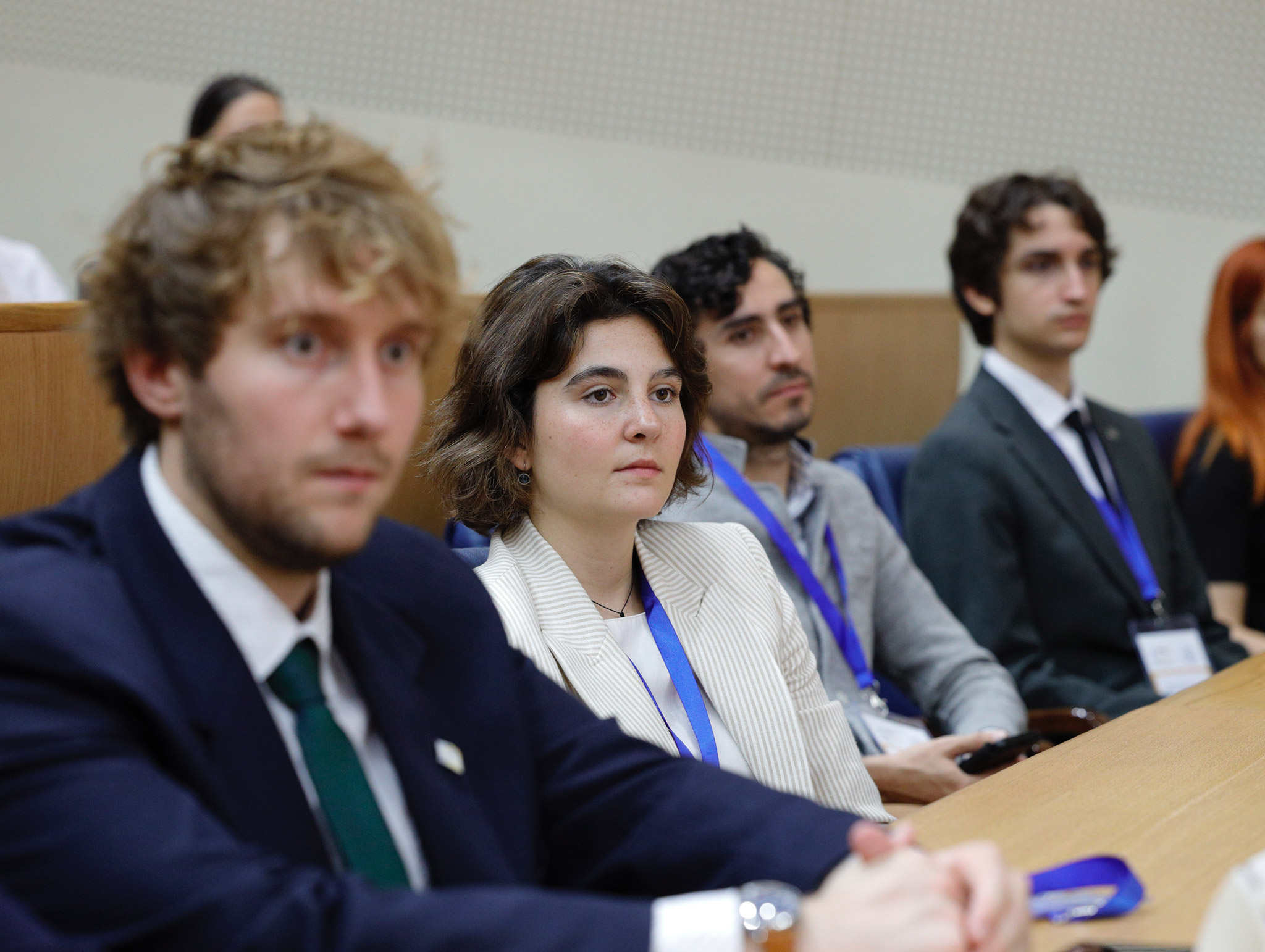
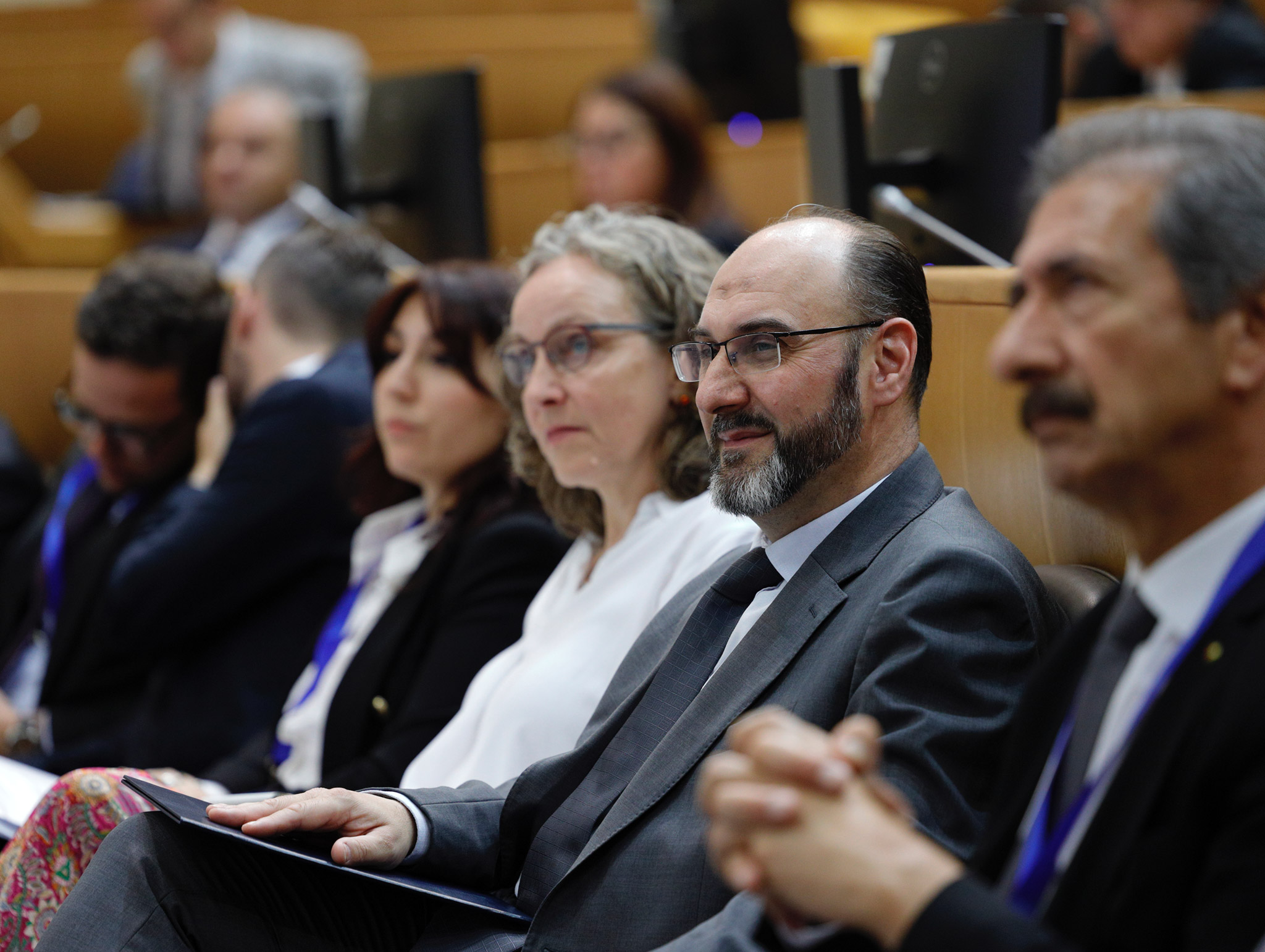
The programme opened at the Parliamentary Assembly of Bosnia and Herzegovina with the National Anthem of Bosnia and Herzegovina and Gaudeamus Igitur. Representatives of institutions from Bosnia and Herzegovina and across Europe addressed the gathering, alongside representatives of the University of Sarajevo, the EUPeace Governing Board and the EUPeace Student Council.
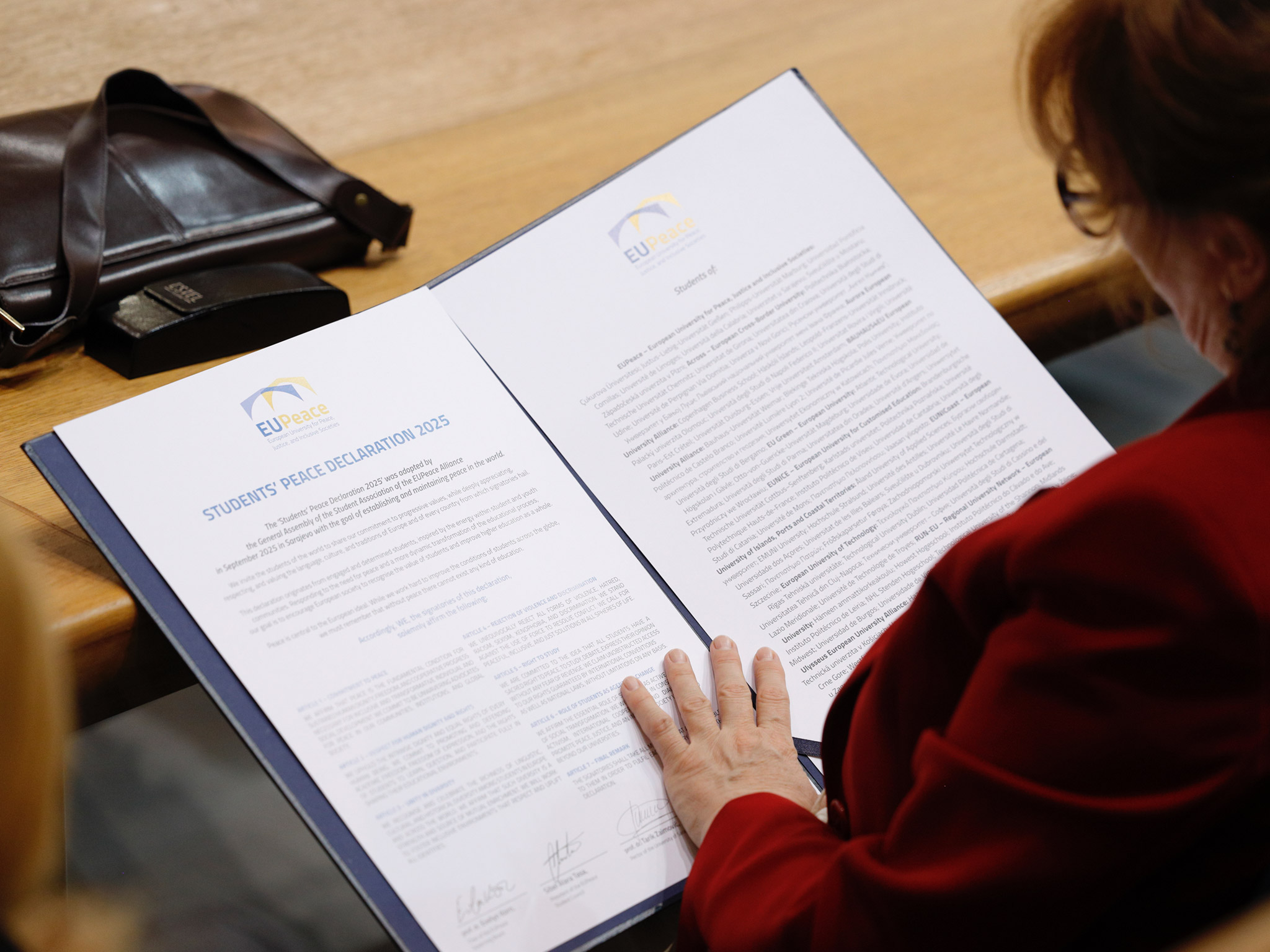
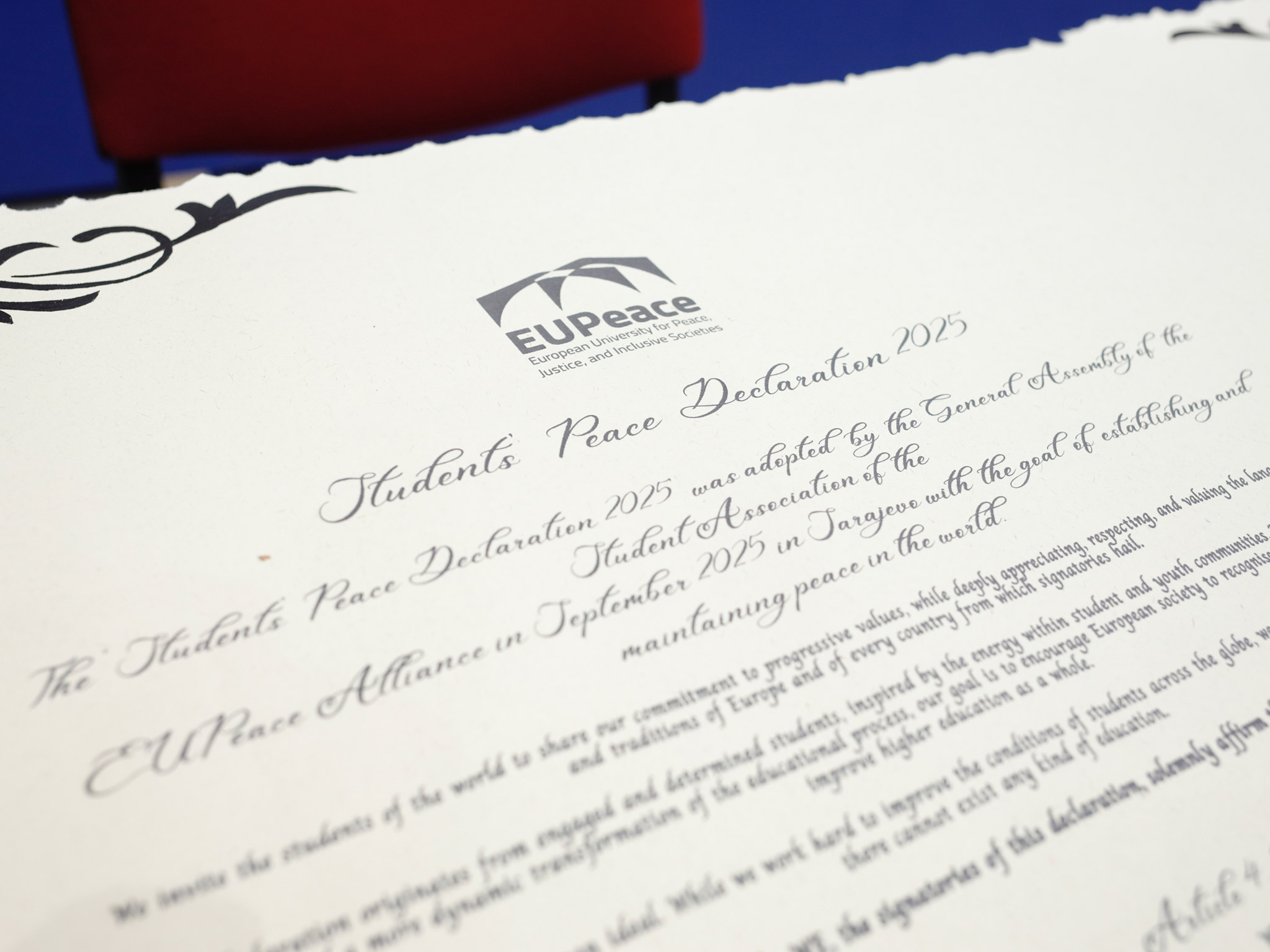
At the heart of the event was the formal signing of the Students’ Peace Declaration. The ceremony was followed by a reception that gave students and institutional representatives an opportunity to exchange ideas and establish new connections.
Contact


Sarajevo as a setting for dialogue
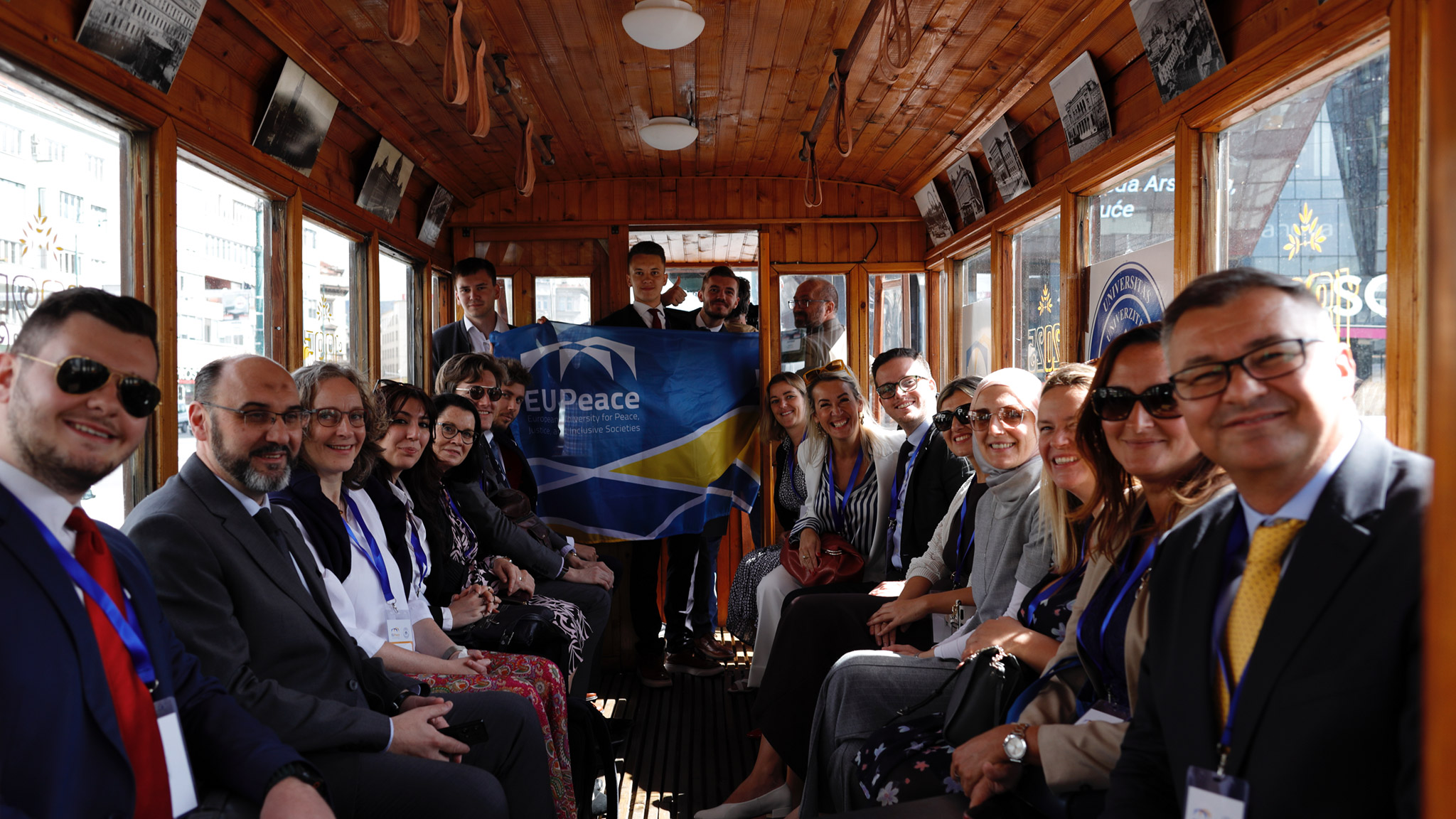
The programme continued with a symbolic journey on an EUPeace-branded tram through Sarajevo, connecting the international character of the initiative with the city’s historical experience and contemporary identity.
The day concluded with the European Dialogue, organised in cooperation with the Embassy of France and the French Institute. The event extended the conversation on Europe, peace, dialogue and cooperation and provided another space in which students, academics and institutional representatives could share their perspectives.
From 103 to more than 156 signatories
In the year following the Sarajevo ceremony, the Students’ Peace Declaration has continued to gain support. Initially signed by 103 institutions, it now has more than 156 signatories.
This growing support demonstrates that the commitment expressed in Sarajevo was not confined to a single event. It continues to resonate with students, universities and academic communities across Europe that recognise their responsibility to promote dialogue, cooperation and a culture of peace.
The Students’ Peace Declaration was conceived as more than a symbolic document. It provides a framework through which students can contribute to discussions on peace, democracy, human dignity, social responsibility, intercultural understanding and the future of European cooperation.
At its core is the belief that universities are not only places where knowledge is produced. They are also spaces in which dialogue, mutual understanding, civic responsibility and a culture of peace can be cultivated.
Building on the foundations laid in Sarajevo
The first anniversary marks both a moment of remembrance and an opportunity to renew the commitment made in Sarajevo. The initiative will continue to develop through activities that bring the principles of the Declaration closer to students and the wider academic community.
Planned anniversary activities include the preparation and dissemination of brochures and other educational and informational materials focusing on peace, dialogue and the role of students and universities in peacebuilding. These resources will help preserve the memory of the Sarajevo signing while making the Declaration and its principles accessible to a broader audience.
One year after Sarajevo, the Students’ Peace Declaration continues to grow through new signatories, partnerships and ideas—and through the shared conviction that peace must remain a fundamental responsibility of every generation.
17 September 2025–17 September 2026
Students’ Peace Declaration
From Sarajevo, for peace, dialogue, cooperation and a more inclusive Europe.