


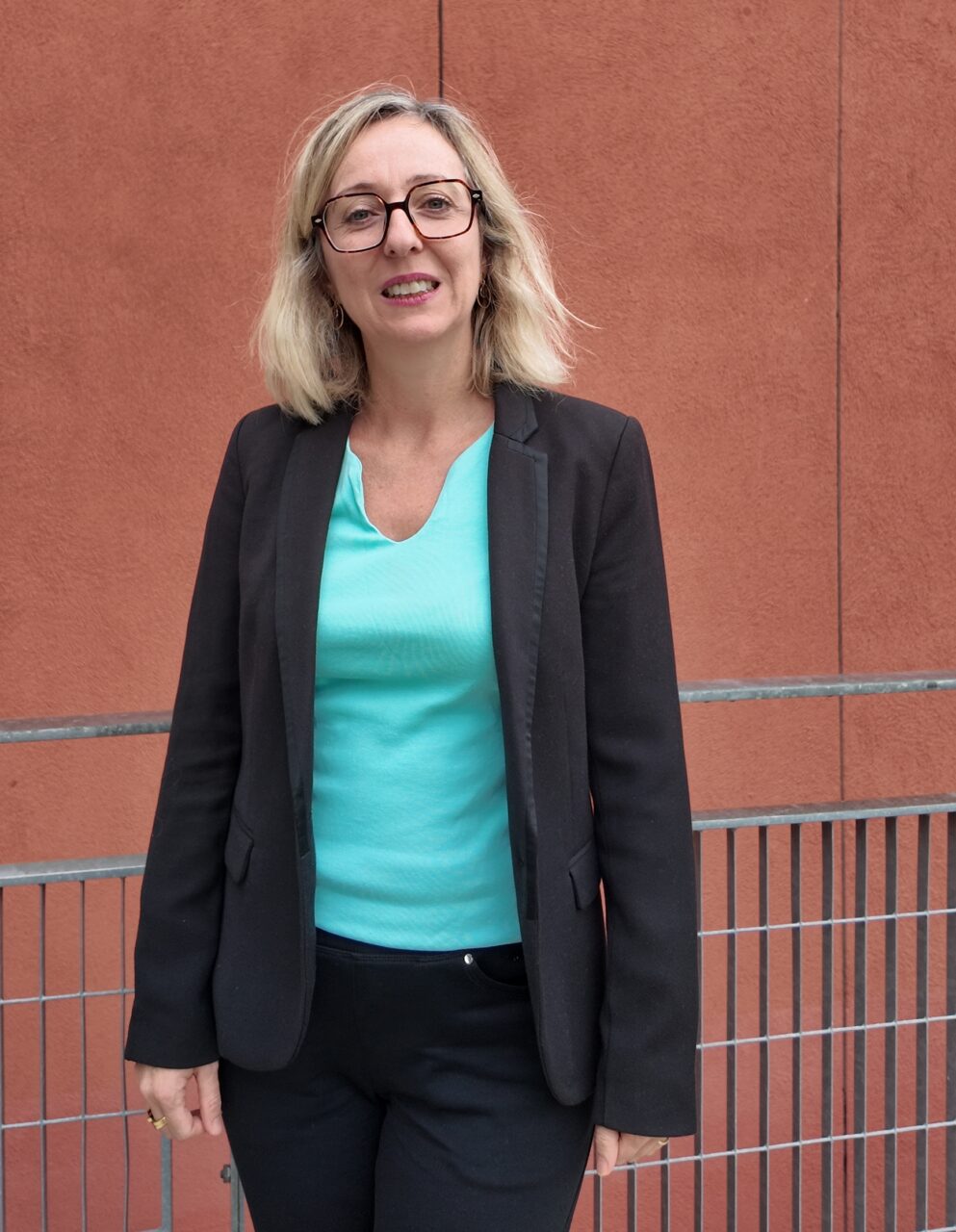
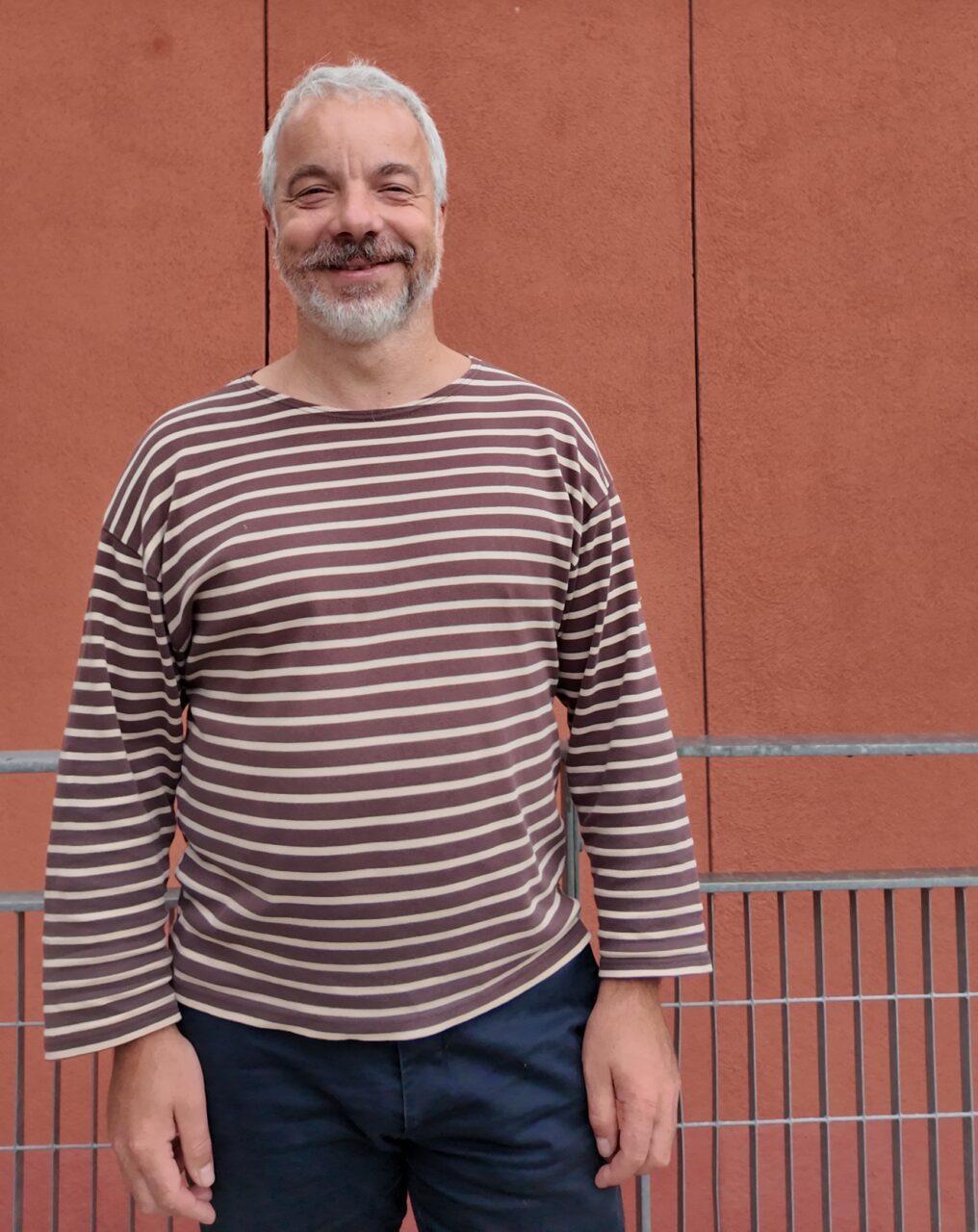
In September 2026, the Equality, Diversity, Inclusion Board (EDIB) — the community of colleagues who champion fairness and inclusion across EUPeace’s nine partner universities — welcomed a new chair. Caroline Expert-Foulquier, Associate Professor in Public Law at the University of Limoges, has taken over from Petr Šimon, ombudsperson at the University of West Bohemia in Pilsen. She becomes the Board’s third chair, after Giovanna Vingelli and Petr Šimon.
A community, not just a board
Ask Petr Šimon what he is proudest of, and he does not begin with documents or plans. He begins with people. Colleagues from universities across Europe who had never met before, he says, “have become true friends through our meetings and shared activities” — staying in touch not only in formal meetings but through shared projects and everyday messages. For a board working on questions as sensitive as equality and inclusion, across very different national and historical contexts, that trust is far from guaranteed. “Although we come from different regional and historical contexts, these values are key and fundamental to us all,” he reflects.
From conversations to concrete change
That shared commitment has produced real results. Together, the Board ran a campaign marking the International Day for the Elimination of Violence Against Women on 25 November, and a series of webinars during Diversity Month, opening these conversations to students and staff alike.

Perhaps its most far-reaching work was a survey on safe spaces on campus — “Safe(r) Campuses” — which invited students at every EUPeace university to share where, and when, they feel safe. The response was striking, and it did not stay on paper: each university put the findings into practice in its own equality and diversity plans, and they fed directly into a shared Strategic Action Plan for an Inclusive, International Campus Space including a Joint Code of Conduct. The Board also helped launch an open call for the EUPeace label, developed together with colleagues elsewhere in the alliance.
A new chapter, led by listening
For Caroline Expert-Foulquier, this foundation is exactly what makes the role an opportunity. A specialist in fundamental rights who teaches law students in Limoges and works closely with students on a Master’s programme, she is clear about where she wants to take the Board next: closer to students. “EDIB initiatives should not be developed only for students, but also with them,” she says. She wants to strengthen the dialogue with the Student Council and create more ways for students and staff to share their experiences, raise concerns and propose topics themselves — so that the Board’s work keeps answering real needs.
Her guiding picture of an inclusive university is simple and human: a place where everyone can say, “I am different, but I belong here.” And her priority is to keep turning dialogue into action — “creating spaces where people can speak, be heard, learn from each other and, together, find ways of making our universities more inclusive.”
Passing on the torch
Both chairs reach for a similar image to describe the handover. Petr pictures “a hand being held out” — the Board’s chairs forming a human chain, supported by everyone around them. Caroline describes “passing on a torch”: a strong foundation built “with kindness, commitment and energy”, which she hopes to carry forward and help shine even further. The initiatives Petr is proudest of — the 25 November campaign and the Diversity Month webinars — will continue under her.
His parting advice to the Board is refreshingly honest: stay enthusiastic and open, but do not be afraid to do less when capacity is tight. “Sometimes less is more.”
Be part of the conversation
Getting involved is open to everyone across the alliance. Students and staff can take part in surveys, join webinars and discussions, and increasingly suggest the topics that matter to them. As Caroline puts it, inclusion begins with listening — and the invitation is simply to be part of the conversation.
Equality, Diversity, Inclusion Board - Local Contacts
| Marburg University (Germany) | Katharina Völsch |
| Justus Liebig University Giessen (Germany) | Julia Körner |
| University of Limoges (France) | Caroline Expert-Foulquier |
| University of Calabria (Italy) | Giovanna Vingelli |
| Comillas Pontifical University (Spain) | José Luis Valencia |
| University of West Bohemia in Pilsen (Czechia) | Petr Šimon |
| University of Mostar (Bosnia and Herzegovina) | Zrinka Knezović |
| Çukurova University (Türkiye) | Marella Bodur Un |
| University of Sarajevo (Bosnia and Herzegovina) | eupeace@unsa.ba |


