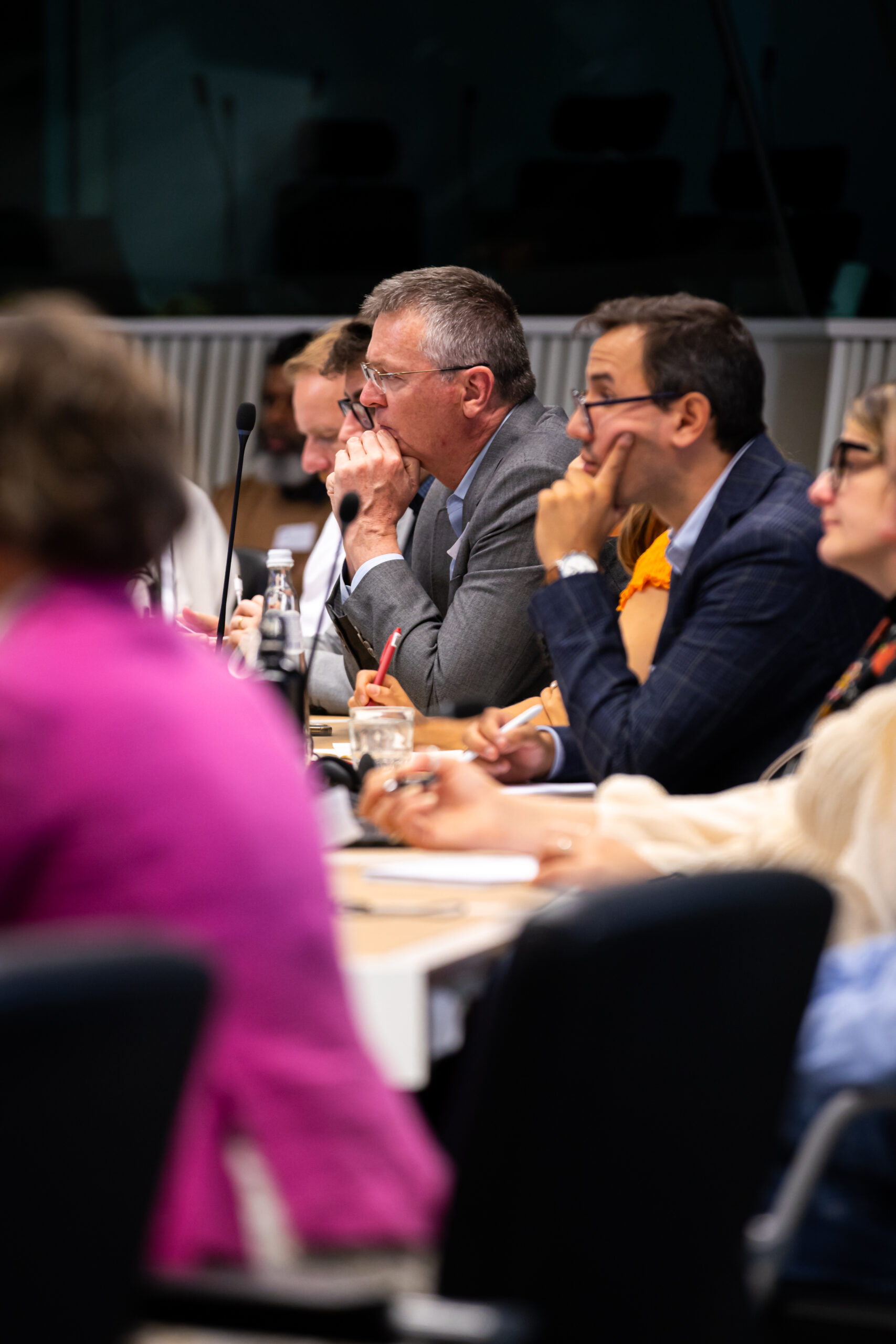
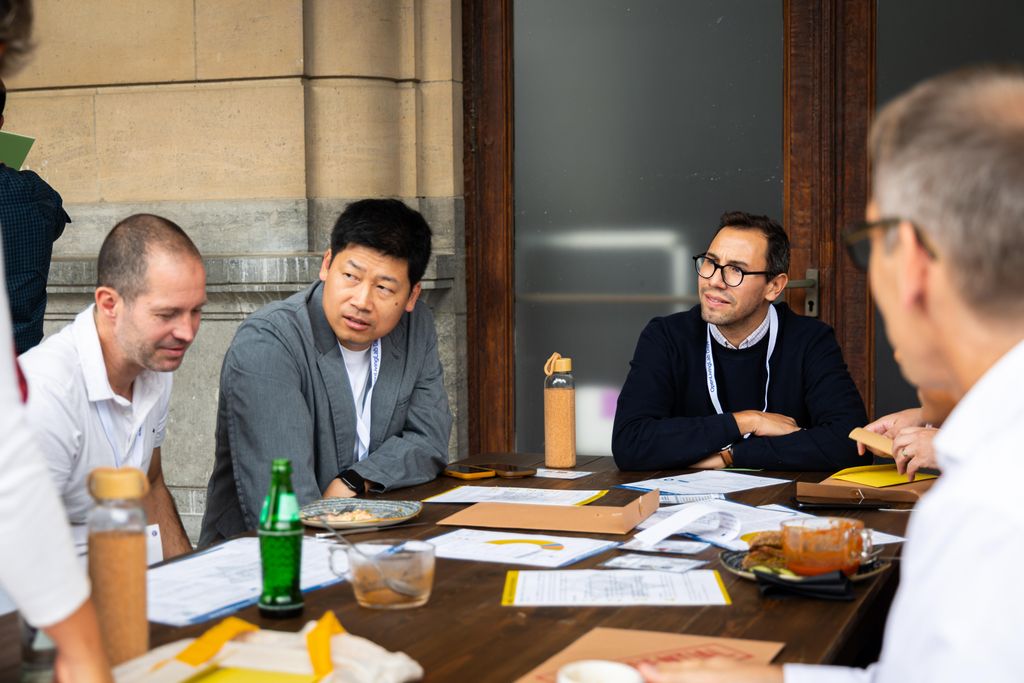
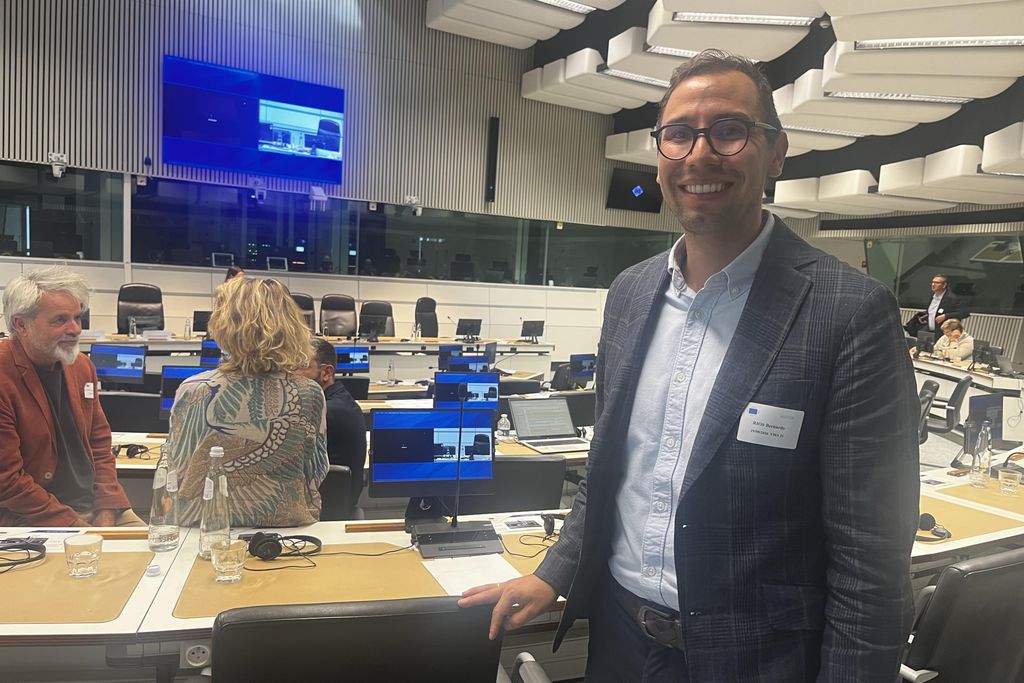
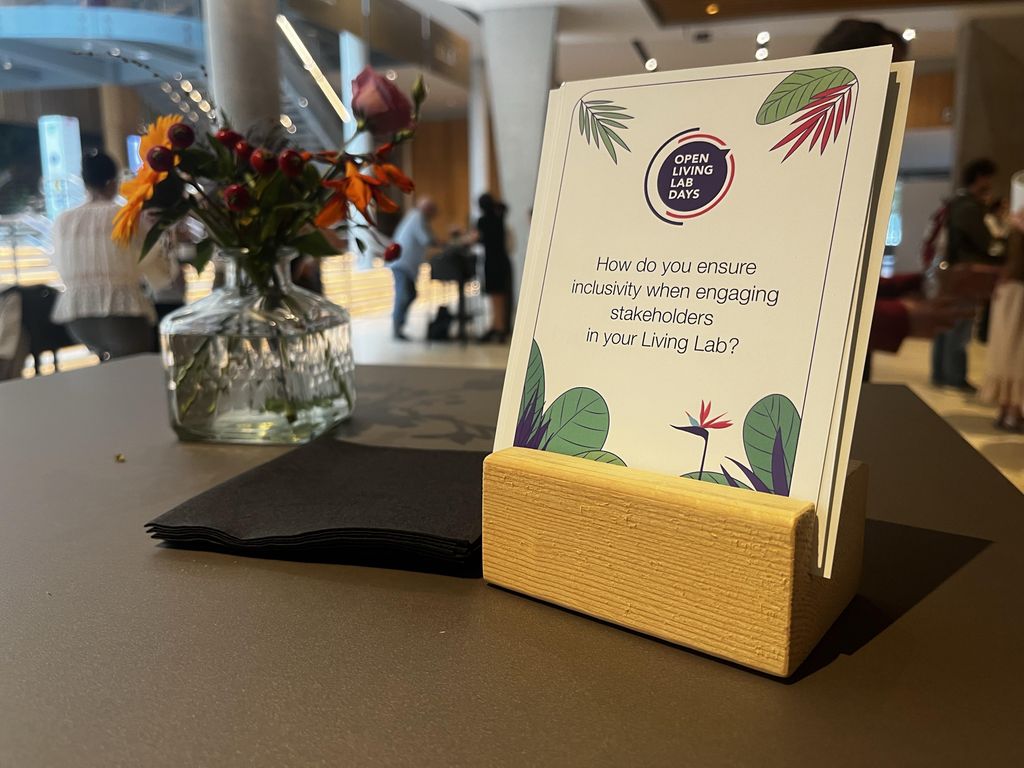
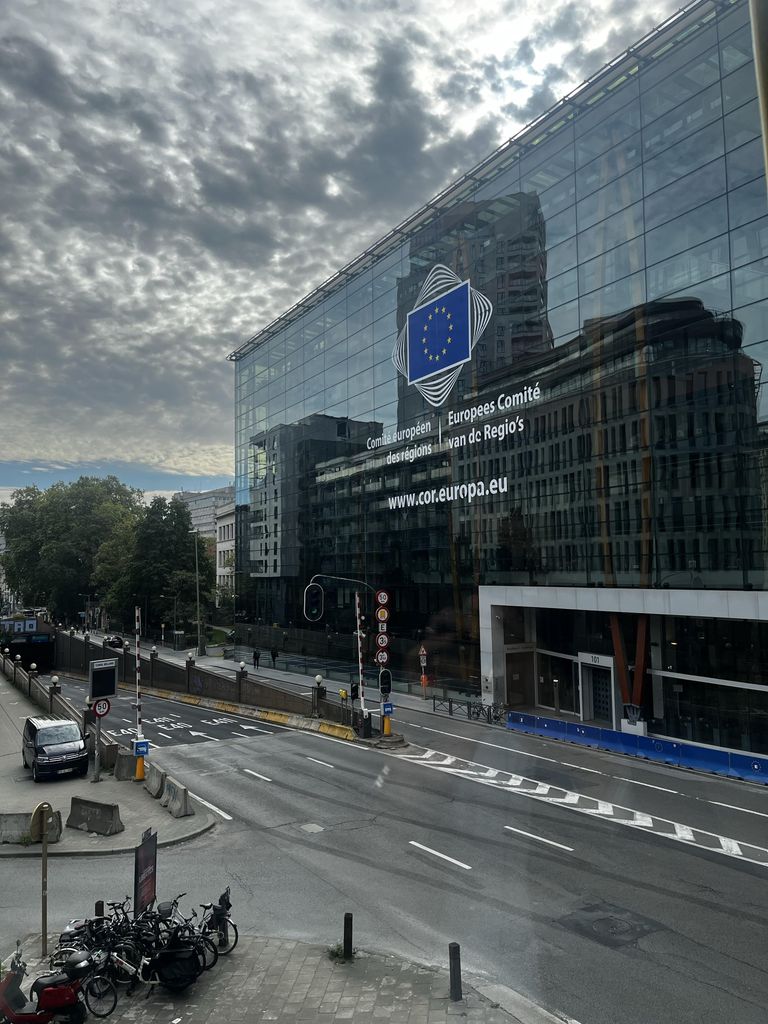
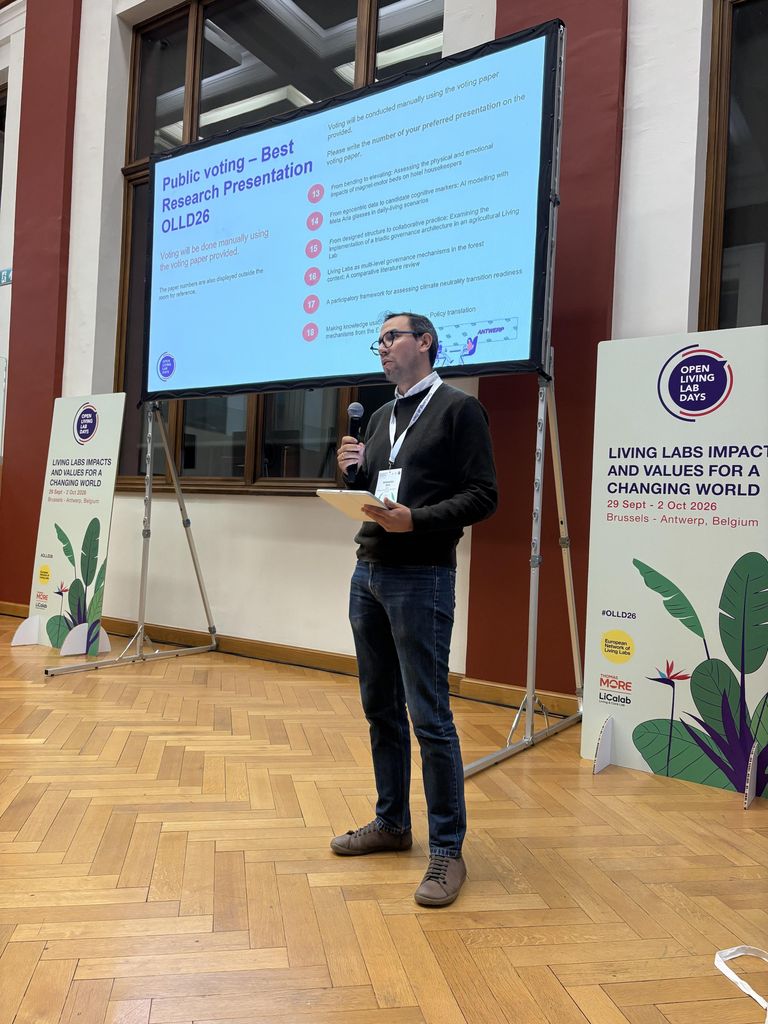
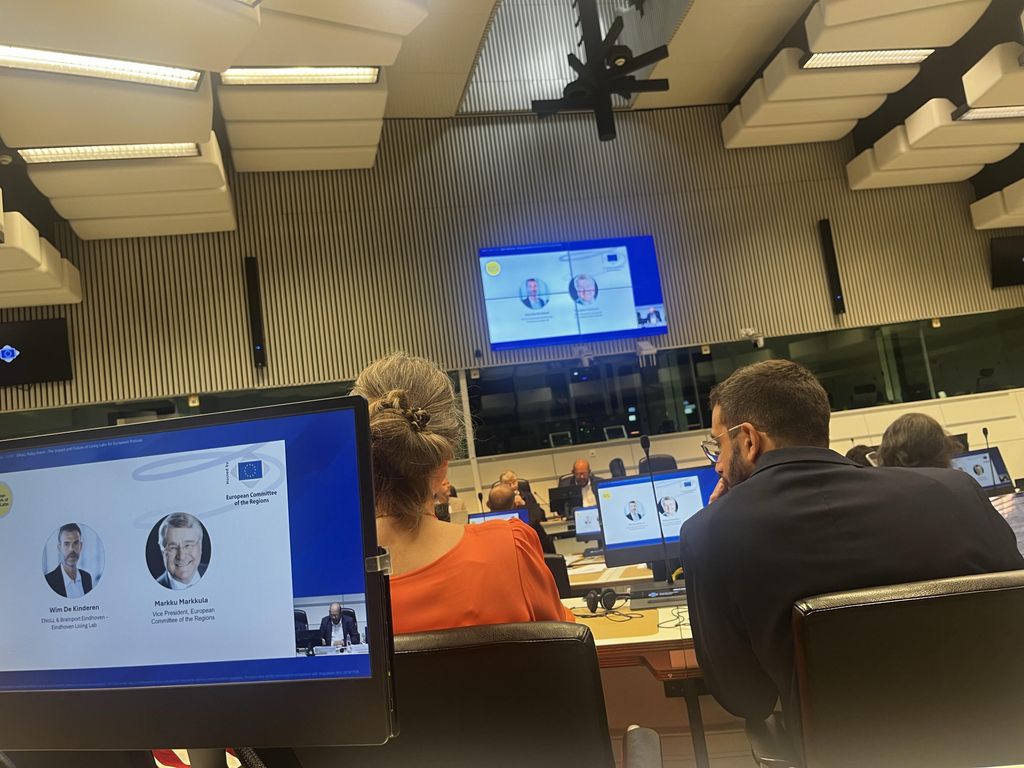
From 29 September to 2 October 2026, EUPeace took part in OpenLivingLab Days 2026, the annual conference of the European Network of Living Labs (ENoLL). It was the first time that EUPeace had been present at the conference, where Bernardo Andrés Ríos Sanjines, Living Lab Coordinator at Comillas, presented the EnerPeace Living Lab as a case study. Marking the 20th anniversary of the OpenLivingLab Days community, the event opened with a policy day at the European Committee of the Regions in Brussels, with the participation of its Vice-President, Markku Markkula. It then moved to Antwerp, where researchers, practitioners, policymakers, and innovation actors met for several days of workshops, presentations, and exchanges.
“It was really wonderful to be part of ENoLL’s OpenLivingLab Days. It was special because it was the 20th anniversary,” said Bernardo Andrés Ríos Sanjines.
A growing field across Europe
A clear message throughout the conference was that Living Labs are gaining weight in European research and innovation. At the Brussels policy day, Jean-David Malo, Acting Director for the European Research Area and Innovation at the European Commission, described Living Labs as research, technology, and knowledge infrastructures, and speakers repeatedly presented them as critical for future European projects. Across the programme, many examples showed how European projects use Living Labs to connect knowledge with action, especially on soil, water, climate change, the energy transition, and digital innovation.
Putting social questions at the centre
Against this background, the EUPeace contribution stood out. While many Living Labs are closely associated with testing technologies, environmental experimentation, or territorial innovation, the Living Peace Labs developed within EUPeace place social questions at the centre.
“The Comillas and EUPeace Living Labs have a social element as their distinctive feature. We are concerned about grand societal challenges, and that was clear at the OpenLivingLab Days,” said Ríos Sanjines. “It appears that EUPeace was one of the few, or perhaps even the only, European University Alliance bringing this social dimension into Living Labs.”
EnerPeace: from open dialogue to policy proposals
This perspective was made concrete through EnerPeace, a Living Lab coordinated by the Chair of Energy and Poverty at Comillas. EnerPeace works on energy poverty and a just energy transition in Spain, bringing together public administrations, civil society organisations, researchers, energy-sector actors, and people affected by energy poverty. The knowledge created together in its sessions was systematised, validated with participants, and reformulated so that public institutions could use it, linking open dialogue to a national policy process.
“What is particular here is that we can use co-created knowledge as a mechanism to inform public policy. This is the kind of impact that we want to create,” explained Ríos Sanjines.
What social Living Labs bring
For EUPeace, OpenLivingLab Days 2026 confirmed that social Living Labs have a distinctive contribution to make to European research and innovation. They create spaces where universities, public institutions, and communities work together, not only to understand complex challenges, but to produce knowledge that can travel into public conversations and policy processes.